OPERATION OF URBAN SOLID WASTE LANDFILLS, WASTE CHARACTERIZATION, CLASSIFICATION AND DETERMINATION OF ENERGY EQUIVALENT: TOKAT EXAMPLE
Corresponding Author:
Mehmet Akif Demirel
DOI Number https://doi.org/10.52924/GZCI8879
Received: 30.01.202
Accepted 01.04.202
Published 01.04.202
Summary:
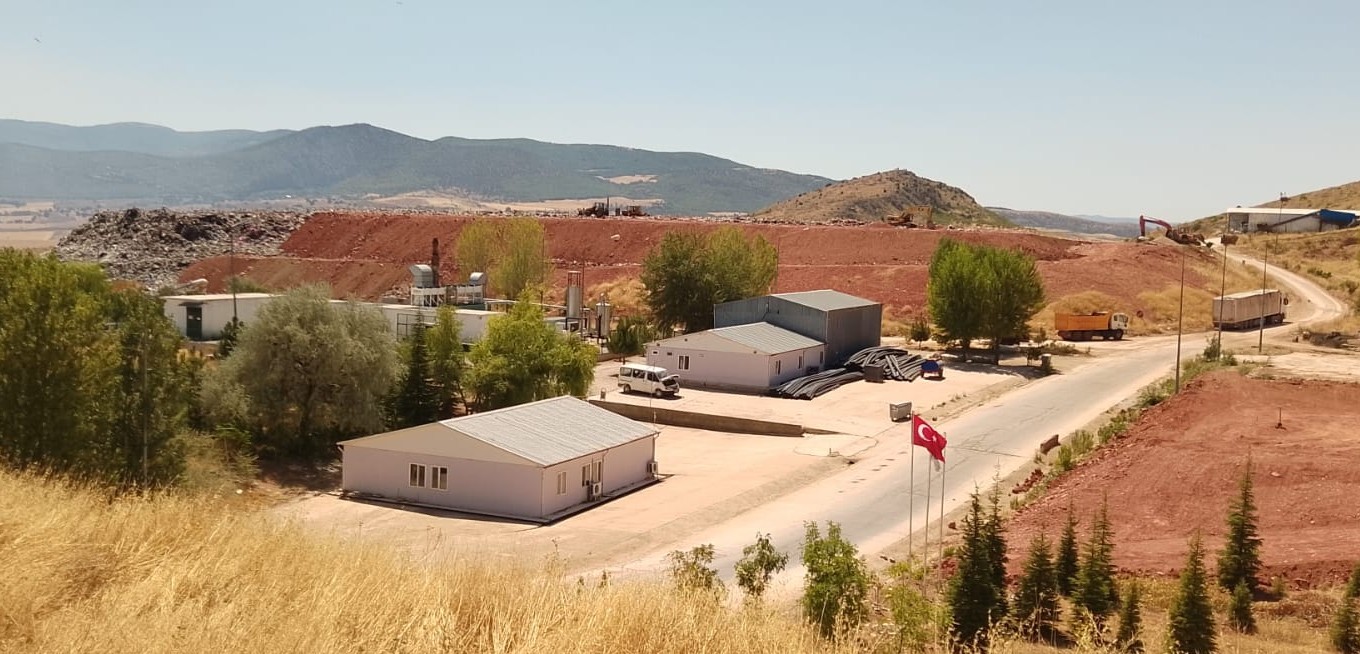
This study evaluates municipal solid waste management in Tokat Province, focusing on waste characterization, classification, and energy potential determination. Rapid urbanization and changing consumption patterns have increased waste generation, making effective waste management crucial for environmental and economic sustainability. Solid waste samples collected from the Tokat sanitary landfill were analyzed physically and chemically. The wastes were classified into organic matter, plastics, paper, metals, glass, textiles, and other inorganics. Based on this classification, parameters such as moisture content, density, and lower heating value were determined to estimate the recoverable energy potential. Results indicated that a substantial portion of Tokat’s household waste is suitable for energy recovery. Additionally, experimental studies on pyrolysis, a thermochemical conversion method, were conducted using plastic, textile, and organic wastes. Pyrolysis yielded pyrolytic oil, gaseous products, and carbon-rich residues, demonstrating its feasibility for local waste-to-energy applications. In conclusion, municipal solid wastes in Tokat represent not only an environmental challenge but also a valuable energy source. Establishing recovery facilities and promoting technologies like pyrolysis are recommended for sustainable waste management.
Graphical Abstract: